Customer Login

Harrow Green was appointed to deliver a complex, multi-site laboratory relocation for Imperial College London, consolidating the Department of Infectious Diseases (DoID) and the National Heart and Lung Institute (NHLI) across three London sites.
Delivered over a 40-day, two-phase programme, the project involved relocating high-value research equipment, hazardous chemicals, biological materials and over 80 ultra-low (-80°C) freezers containing live samples. The objective was to vacate ageing laboratory space at St Mary’s Hospital and transition research teams into upgraded, regulation-compliant facilities while maintaining continuity of scientific work.
The Challenges
This relocation combined multi-site logistics with strict regulatory oversight and live research constraints.
Hazardous & Regulated Materials
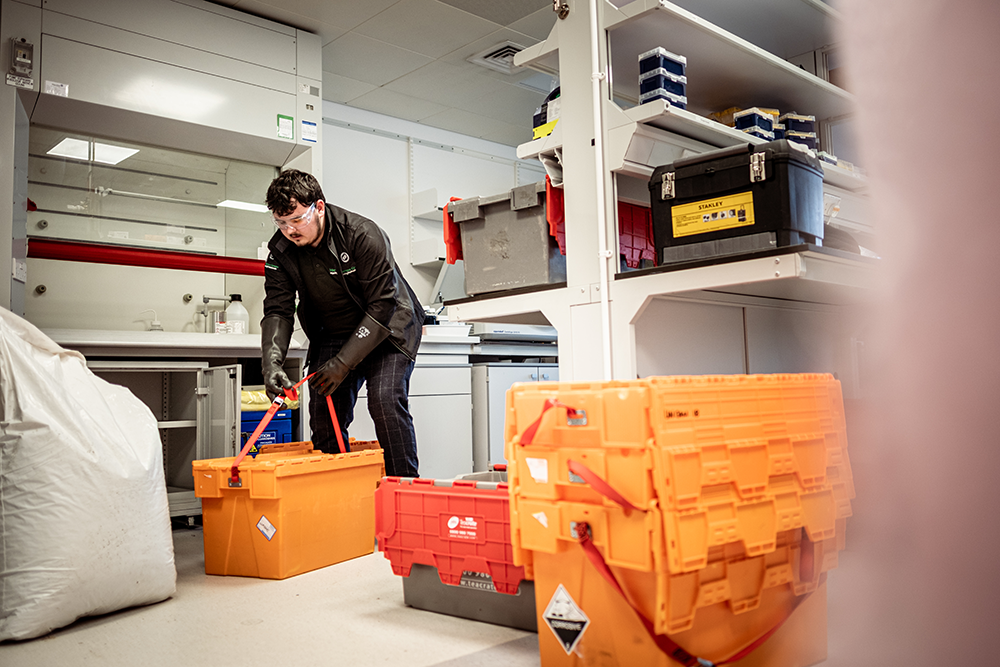
Chemical packing and transport required ADR compliance, DGSA oversight and full chain-of-custody documentation. UN-rated crates, vermiculite and compliant labelling were used throughout.
Ultra-Low Freezers & Access Constraints
A pre-move audit identified that several -80°C freezers exceeded lift size capacities at upper floors of the destination building. Each unit was measured, categorised and reallocated to ensure safe routing and minimal power downtime, maintaining HTS chain-of-custody requirements.
Live Construction Environment
Ongoing construction works restricted lift access at key points. Daily coordination with contractors ensured controlled scheduling of heavy and temperature-sensitive moves.
Evolving Scope
Originally scoped for 34 days, the programme was extended to 40 days after additional chemical and equipment volumes were identified, ensuring safety and compliance were not compromised.
The Solutions
A structured planning phase included detailed scoping workshops, laboratory surveys and stakeholder consultations. Pre-move inventories captured equipment, chemicals and freezer allocations, enabling precise sequencing.
A Kanban-style visual management system was introduced, using colour-coded room status tracking (“Not Started,” “In Progress,” “Completed”). This provided real-time visibility for both delivery teams and laboratory stakeholders, reducing miscommunication and allowing dynamic task reassignment.
Temperature-sensitive materials were transported in power-inverted, temperature-controlled vehicles to maintain integrity. OEM equipment was individually crated and secured, and all items were logged against inventory for full accountability.
Post-move, the team supported unpacking, equipment positioning and OEM installation coordination to ensure laboratories were fully operational before handover.
The Outcome
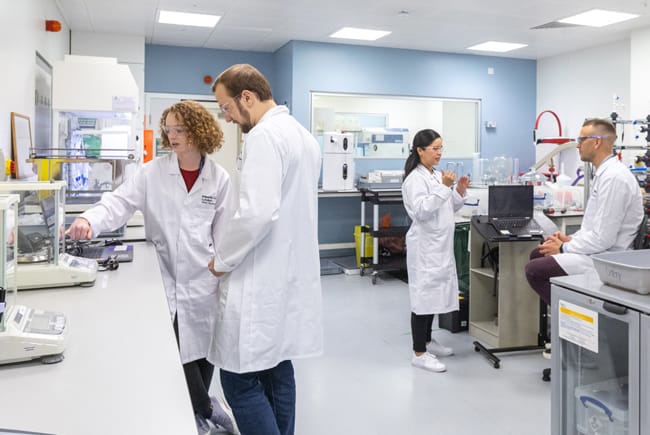
The relocation was delivered safely, ahead of schedule, and beyond expectations. Research continuity was maintained throughout, and teams transitioned seamlessly into modernised laboratory environments designed to enhance collaboration, efficiency and compliance.
Client feedback praised the professionalism, transparency and adaptability of the delivery team, particularly the effectiveness of the Kanban visual system in providing clear, real-time progress visibility.
This project demonstrates Restore Harrow Green’s expertise in managing complex, multi-site academic laboratory relocations, combining regulatory precision, logistical control and innovative project management to support world-leading research institutions.
Client: Imperial College London
Location: London
Sector: Life Science Education Sector
Related Case Studies